Employee Monitoring Software With a Free Plan: What You Actually Get| EmpTrakr
Explore our freemium workforce tracker to see what does free monitoring include. Get top employee monitoring no cost limits and essential tracking features today.
Introduction
Employee monitoring software with a free plan has become a focal point for organizations seeking to balance oversight with budget constraints. C-level executives face increasing pressure to maintain productivity, ensure compliance, and protect data assets without incurring unnecessary costs. Understanding the actual value of these offerings requires careful examination of what free tiers deliver in practice.
This topic matters because many decision makers evaluate freemium workforce tracker solutions as an initial step toward broader workforce management strategies. Free plans often serve as entry points, yet their scope varies significantly across providers. Executives must distinguish between genuine utility and marketing claims to avoid operational gaps.
The following sections cover what free monitoring includes, the boundaries of employee monitoring no cost limits, and strategic factors for corporate adoption. Each area addresses core capabilities, typical restrictions, and implications for enterprise environments. This direct review supports informed evaluations without reliance on promotional language.
Core Components of Free Tier Monitoring Features
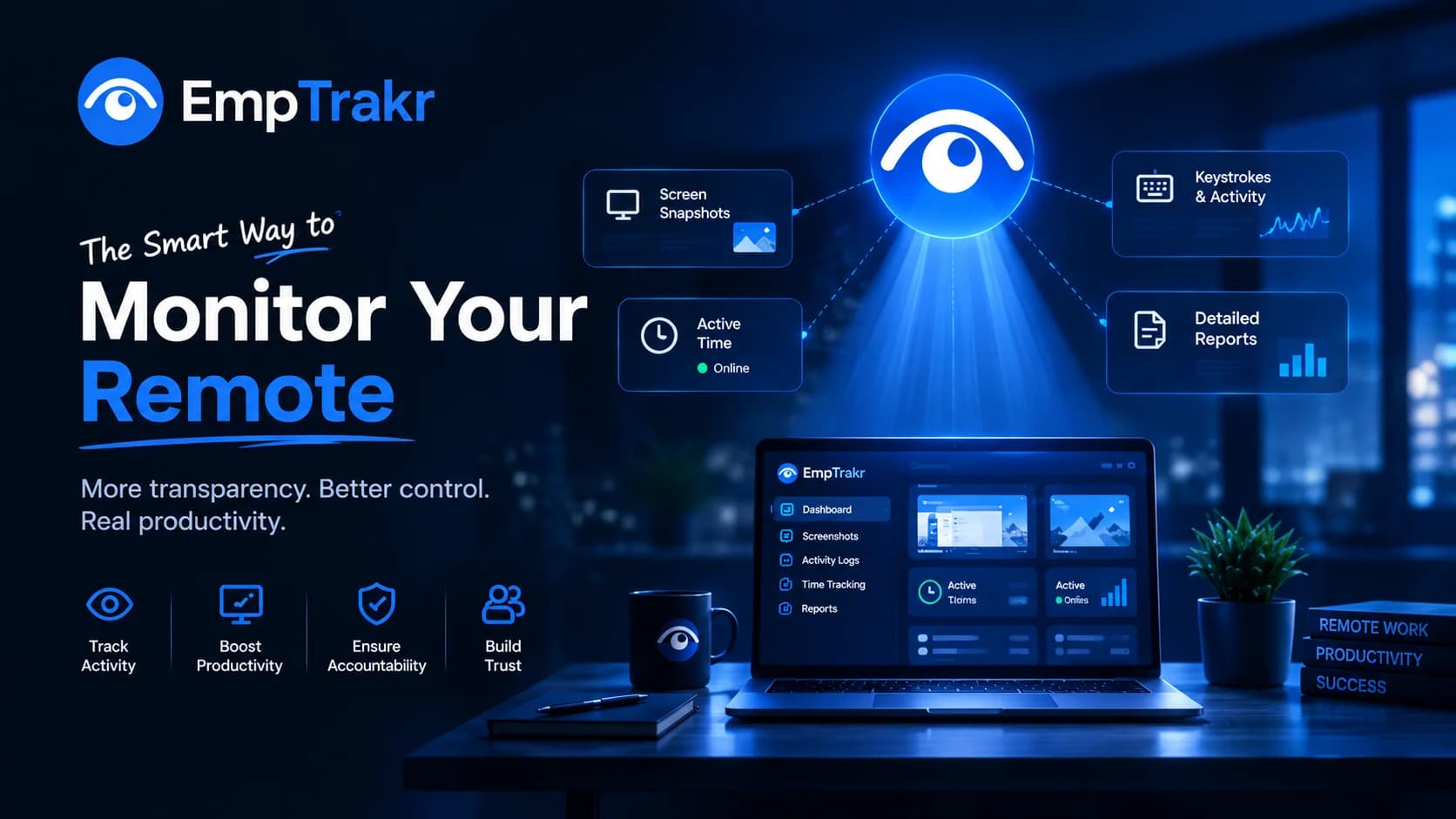
Free tier monitoring features commonly encompass basic activity logging such as application usage, website visits, and idle time detection. These elements allow organizations to gain visibility into daily workflows at no initial expense. Many solutions record screenshots at set intervals or track keystroke patterns to establish baseline performance metrics.
Time tracking forms another standard component, enabling teams to measure project hours across departments. Location-based monitoring through device GPS may appear in select free plans for field or hybrid workforces. Integration with existing tools like email platforms or calendars often remains limited to essential functions.
Real-world applications demonstrate that these features support small-scale pilots before wider rollout. For instance, a department head can review aggregated reports to identify process inefficiencies without committing budget upfront. However, data export options and advanced analytics typically require upgrades, which shapes the practical scope of no-cost usage.
Practical Limitations in Freemium Workforce Trackers
Freemium workforce tracker options impose clear boundaries that affect scalability for larger organizations. User limits frequently cap the number of monitored employees, often restricting coverage to under ten accounts in free versions. Storage for recorded data may expire after short periods, reducing historical analysis capabilities.
Advanced reporting and real-time alerts usually fall outside employee monitoring no cost limits, compelling teams to rely on manual reviews. Security certifications and audit logs may also remain unavailable, raising concerns for regulated industries. Support access tends to prioritize paid subscribers, leaving free users with self-service resources only.
Executives evaluating these constraints should map internal requirements against the offered elements. A manufacturing firm, for example, might find basic tracking sufficient for shift oversight yet insufficient for compliance documentation. This assessment prevents over-reliance on restricted tools during critical periods.
Strategic Considerations for C-Level Decision Makers
Corporate leaders must weigh the trade-offs between immediate cost savings and long-term operational needs when considering free plans. Alignment with existing IT infrastructure and data governance policies represents a primary factor. Scalability testing during the free period reveals whether the solution can expand without disruption.
Privacy regulations and employee communication protocols require attention, as monitoring practices influence workplace culture. Organizations benefit from defining clear objectives, such as productivity measurement or security enforcement, prior to deployment. This clarity guides selection and minimizes later adjustments.
For a detailed comparison of available options, executives can review resources such as This analysis of top tools. Such references provide side-by-side evaluations that highlight differences in free tier offerings across providers. Decision timelines should incorporate pilot results to confirm fit with corporate priorities.
Conclusion
Free plans in employee monitoring software deliver foundational tracking capabilities while imposing user, storage, and feature restrictions. Executives gain initial insights into workforce activity but must plan for potential upgrades to meet full organizational demands. A structured evaluation of these elements supports cost-effective adoption. Contact our team to explore tailored solutions for your organization.
Related EmpTrakr resources
Continue with product pages that match this topic — and explore more guides on the blog.
Supercharge your workforce today.
Join leading companies using EmpTrakr to boost productivity, streamline tracking, and optimize remote teams.