How to Measure Employee Productivity Without Micromanaging — 2026 Guide| EmpTrakr
Constant check-ins hurt morale. Learn how to measure team productivity using activity data, app reports, and dashboards — without hovering over your employees.
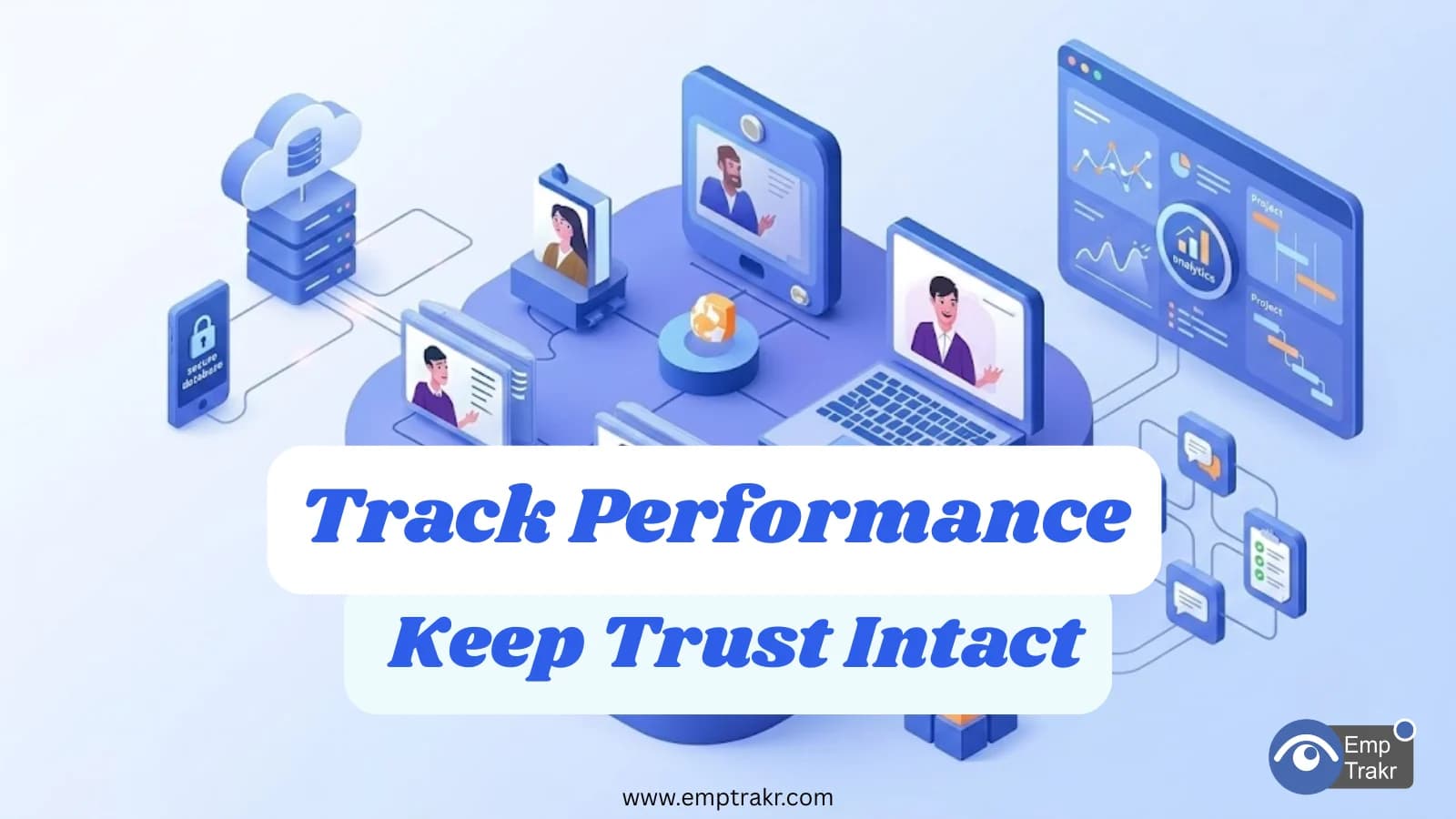
Employee productivity is one of the most important factors influencing business growth. However, many organizations struggle to find the right balance between monitoring performance and maintaining employee trust.
Too little visibility can lead to accountability issues. Too much monitoring can make employees feel controlled and disengaged.
The solution is learning how to Measure employee productivity without micromanaging.
Modern workforce management tools provide managers with meaningful productivity insights while giving employees the autonomy they need to perform at their best.
In this guide, we'll explore practical ways to measure productivity, track performance fairly, and build a culture based on trust rather than constant supervision.
Why Micromanagement Hurts Productivity
Many managers believe closely monitoring every employee activity will improve performance.
In reality, excessive oversight often creates the opposite effect.
Common Effects of Micromanagement
-
Reduced employee morale
-
Lower engagement levels
-
Increased workplace stress
-
Reduced creativity
-
Less accountability
-
Higher employee turnover
Employees perform better when they understand expectations and have the freedom to achieve goals independently.
This is why businesses increasingly look for ways to Measure employee productivity without micromanaging.
What Productivity Actually Means
Before measuring productivity, it's important to define it correctly.
Productivity isn't simply about:
-
Keyboard activity
-
Mouse movement
-
Hours spent online
-
Constant availability
True productivity focuses on:
-
Work completed
-
Goal achievement
-
Quality of output
-
Task efficiency
-
Business impact
The most effective organizations evaluate results rather than presence.
Employee Productivity Metrics Without Micromanagement
Choosing the right Employee productivity metrics without micromanagement Is essential.
Instead of tracking every action, focus on indicators that reflect meaningful performance.
Key Productivity Metrics
| Metric | Why It Matters |
|---|---|
| Tasks Completed | Measures output |
| Project Progress | Tracks goal achievement |
| Attendance Trends | Indicates reliability |
| Work Quality | Evaluates effectiveness |
| Deadline Completion | Measures efficiency |
| Team Contribution | Supports collaboration |
Using these Employee productivity Metrics without micromanagement Helps managers assess performance objectively.
Focus on Outcomes, Not Activity
One of the biggest mistakes businesses make is measuring activity instead of outcomes.
For example:
Activity-Based Approach
-
How many hours were spent online?
-
How often was the mouse moved?
-
How many applications were open?
Outcome-Based Approach
-
Was the project completed?
-
Were goals achieved?
-
Was work delivered on time?
Outcome-based management helps organizations Measure employee productivity without micromanaging While encouraging accountability.
Trust-Based Employee Monitoring Approach
A successful Trust-based employee monitoring approach Combines visibility with employee autonomy.
Be Transparent
Employees should understand what information is being collected and why.
Track Business-Relevant Data
Focus on metrics that support productivity improvement.
Avoid Excessive Monitoring
Not every click or action needs to be recorded.
Share Expectations Clearly
Employees should know how success is measured.
Use Data for Development
Monitoring should support coaching rather than punishment.
A strong Trust-based employee monitoring approach Creates a healthier workplace culture and improves employee engagement.
Hands-Off Employee Performance Tracking Strategies
Modern workforce management tools make Hands-off employee performance tracking Easier than ever.
Instead of manually checking employee activity, managers can use automated systems that generate productivity insights.
Effective Hands-Off Tracking Methods
Automated Productivity Reports
Receive performance summaries automatically.
Goal Tracking
Monitor progress toward objectives.
Attendance Monitoring
Track reliability without manual oversight.
Workforce Dashboards
View team productivity from a single interface.
Trend Analysis
Identify patterns over time rather than focusing on individual moments.
These Hands-off employee performance tracking Methods provide visibility without disrupting workflows.
Autonomy and Productivity Monitoring Balance
One of the most important management challenges is achieving the right Autonomy and productivity monitoring balance.
Employees want freedom to manage their work.
Managers need confidence that work is being completed effectively.
The ideal balance includes:
| Employee Autonomy | Productivity Visibility |
|---|---|
| Flexible Work Style | Performance Metrics |
| Independent Task Management | Goal Tracking |
| Personal Accountability | Reporting Insights |
| Outcome Ownership | Workforce Analytics |
Organizations that maintain this Autonomy and productivity monitoring balance Often experience stronger engagement and higher productivity.
Common Productivity Tracking Mistakes
Measuring Activity Instead of Results
Online activity does not always indicate meaningful work.
Overmonitoring Employees
Too much monitoring can reduce trust.
Using Too Many Metrics
Tracking everything often creates confusion.
Ignoring Context
Productivity varies across roles and responsibilities.
Focusing Only on Individual Performance
Team collaboration is equally important.
Avoiding these mistakes helps businesses build more effective productivity programs.
How EmpTrakr Helps Measure Productivity
EmpTrakr Provides workforce monitoring and productivity analytics tools designed to improve visibility without creating a culture of micromanagement.
Key Features
-
Productivity dashboards
-
Attendance tracking
-
Automated reporting
-
Workforce analytics
-
Application usage insights
-
Team performance metrics
-
Activity trends
-
Goal-oriented productivity data
These features help managers understand workforce performance while allowing employees to maintain autonomy.
Best Practices for Measuring Productivity
Set Clear Goals
Employees should know exactly what success looks like.
Track Meaningful Metrics
Focus on outcomes and business objectives.
Review Trends, Not Moments
Long-term patterns provide more valuable insights.
Encourage Ownership
Employees should take responsibility for their results.
Use Data Constructively
Productivity data should support growth and improvement.
Why Modern Businesses Are Moving Away From Micromanagement
The workplace has changed significantly over the past decade.
Remote work, hybrid teams, and flexible schedules require managers to focus on results rather than constant supervision.
Businesses that successfully Measure employee productivity without micromanaging Often benefit from:
-
Higher employee satisfaction
-
Better retention rates
-
Increased productivity
-
Stronger workplace culture
-
Improved business outcomes
The future of workforce management is based on trust, transparency, and data-driven decision-making.
Final Thoughts
Learning how to Measure employee productivity without micromanaging Is essential for modern organizations.
The most effective businesses use productivity insights to support employees rather than control them. By focusing on outcomes, adopting a Trust-based employee monitoring approach, implementing Hands-off employee performance tracking, and maintaining the right Autonomy and productivity monitoring balance, companies can improve accountability while preserving employee trust.
Platforms like EmpTrakr help businesses achieve this balance by providing meaningful workforce analytics, automated reporting, and productivity insights that support smarter management decisions.
Frequently Asked Questions
How can businesses measure employee productivity without micromanaging?
By focusing on goals, outcomes, productivity trends, and automated reporting rather than monitoring every employee action.
What are the best employee productivity metrics without micromanagement?
Task completion, project progress, work quality, attendance trends, deadline achievement, and team contributions.
What is a trust-based employee monitoring approach?
It is a monitoring strategy that prioritizes transparency, meaningful productivity metrics, and employee autonomy.
What is hands-off employee performance tracking?
It involves using automated tools and reports to measure productivity without constant managerial supervision.
How do companies maintain autonomy and productivity monitoring balance?
By giving employees flexibility while using performance metrics, workforce analytics, and goal tracking to ensure accountability.
Related EmpTrakr resources
Continue with product pages that match this topic — and explore more guides on the blog.
Supercharge your workforce today.
Join leading companies using EmpTrakr to boost productivity, streamline tracking, and optimize remote teams.