GDPR and Employee Monitoring — What HR Managers Must Know in 2026| EmpTrakr
GDPR sets strict rules for employee monitoring in Europe. Learn how to use monitoring software while staying compliant with GDPR.
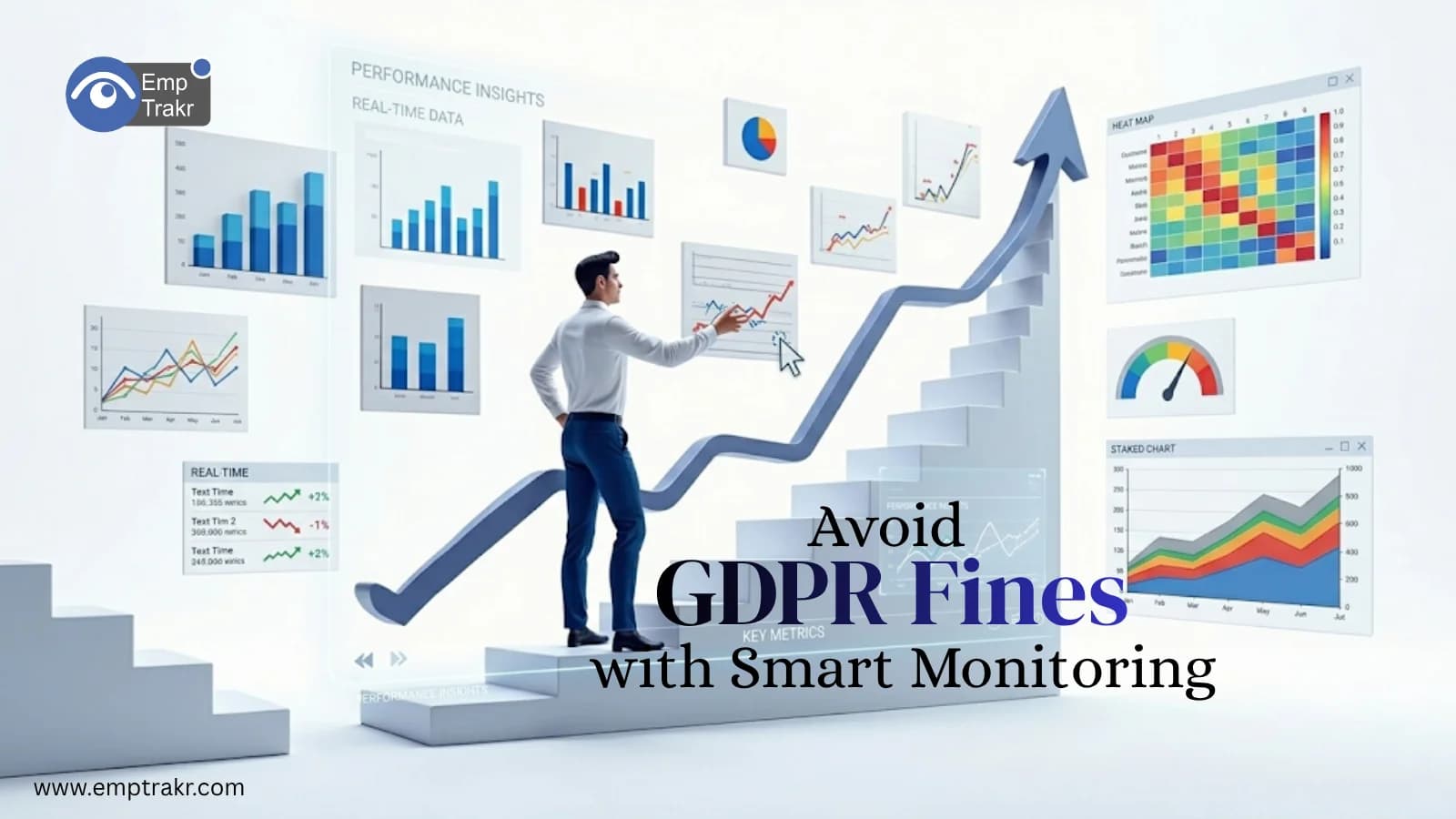
Employee monitoring has become a standard practice for many organizations, especially those managing remote and hybrid teams. Businesses use monitoring software to track attendance, productivity, application usage, and work hours to improve operational efficiency.
However, organizations operating in the European Union (EU) or handling personal data of EU employees must ensure their monitoring practices comply with the General Data Protection Regulation (GDPR). Failure to do so can lead to legal, financial, and reputational consequences.
This guide explains GDPR employee monitoring compliance, outlines key legal principles, and shares practical steps HR managers can take to implement employee monitoring responsibly in 2026.
What Is GDPR?
The General Data Protection Regulation (GDPR) is the European Union's data protection law that governs how organizations collect, process, store, and protect personal data.
Employee monitoring often involves collecting personal information, including:
Application usage
Website activity
Device information
Productivity metrics
Screenshots (where enabled)
Location data (if applicable)
Because these records may contain personal data, employers must process them lawfully and transparently.
What Is GDPR Employee Monitoring Compliance?
GDPR employee monitoring compliance means implementing workplace monitoring in a way that respects employee privacy while meeting GDPR obligations.
Employers should ensure that monitoring activities are:
Lawful
Transparent
Necessary
Proportionate
Secure
Properly documented
Monitoring should support legitimate business purposes rather than collecting excessive employee data.
GDPR Staff Monitoring Requirements in the EU
Organizations should understand the core GDPR staff monitoring requirements EU workplaces are expected to follow.
1. Have a Lawful Basis
Employers need a valid legal basis under GDPR before collecting employee monitoring data. Depending on the circumstances, this may involve legitimate interests or another lawful basis recognized by applicable law.
2. Be Transparent
Employees should be clearly informed about:
What information is collected
Why it is collected
How it will be used
Who can access it
How long it will be retained
Monitoring should not come as a surprise to employees.
3. Collect Only What Is Necessary
Employers should avoid collecting excessive or unrelated information. Data collection should be limited to what is necessary for legitimate business purposes.
4. Protect Employee Data
Monitoring data should be stored securely using appropriate technical and organizational safeguards to reduce the risk of unauthorized access.
Data Protection and Employee Monitoring Under UK GDPR
Following the UK's departure from the European Union, organizations operating in the UK generally follow the UK GDPR alongside other applicable data protection laws.
When considering data protection employee monitoring UK GDPR, employers should:
Provide clear privacy notices.
Establish an appropriate lawful basis for processing.
Limit monitoring to legitimate business needs.
Protect employee data through suitable security measures.
Respect employees' data protection rights where applicable.
Businesses operating across multiple jurisdictions should review both EU and UK legal requirements.
Employee Consent and GDPR Monitoring in the Workplace
Many HR professionals ask whether employee consent GDPR monitoring workplace requirements mean consent is always necessary.
In practice, relying on employee consent can be complex because of the imbalance of power in the employment relationship. Depending on the circumstances, employers may instead rely on another lawful basis recognized under GDPR.
Regardless of the legal basis used, organizations should:
Clearly explain monitoring practices.
Maintain written workplace policies.
Inform employees before monitoring begins.
Allow employees to ask questions about data processing.
Transparency is often just as important as the legal basis itself.
Privacy-Compliant Staff Tracking in Europe
Creating privacy compliant staff tracking Europe 2026 involves balancing business needs with employee privacy.
Good practices include:
Monitoring only during working hours where appropriate.
Limiting access to monitoring data.
Avoiding unnecessary surveillance.
Reviewing collected data regularly.
Establishing clear retention periods.
Restricting monitoring to legitimate business purposes.
The objective is to collect useful business information while respecting employee rights.
Best Practices for GDPR-Compliant Employee Monitoring
HR managers can reduce compliance risks by following these best practices.
Develop a Clear Monitoring Policy
Your policy should explain:
What is monitored
Why monitoring takes place
How information is used
Who can access the data
Data retention periods
Employee rights
Every employee should have access to this policy.
Inform Employees Before Monitoring Begins
Transparency builds trust.
Explain:
Which monitoring tools are used
What data they collect
How reports are generated
How monitoring supports business operations
Clear communication helps employees understand the purpose of monitoring.
Apply Data Minimization
Collect only the information necessary for legitimate business purposes.
Avoid collecting personal information that is unrelated to employee performance, attendance, or operational requirements.
Secure Monitoring Data
Employers should implement appropriate safeguards such as:
Role-based access controls
Encryption where appropriate
Secure storage
Regular security reviews
Only authorized personnel should access employee monitoring data.
Review Monitoring Practices Regularly
Business processes and technologies evolve over time.
HR teams should periodically evaluate whether monitoring remains necessary, proportionate, and aligned with applicable legal requirements.
Common Compliance Mistakes
Organizations should avoid practices such as:
Monitoring employees without informing them.
Collecting excessive personal data.
Keeping monitoring records longer than necessary.
Allowing unrestricted access to monitoring information.
Failing to maintain written monitoring policies.
Ignoring employee privacy concerns.
Many compliance issues arise from poor governance rather than the monitoring technology itself.
How EmpTrakr Supports Responsible Employee Monitoring
EmpTrakr Provides employee monitoring and workforce management features that organizations can configure to support transparent workplace monitoring practices.
Features such as attendance tracking, productivity reporting, application usage monitoring, and workforce analytics help businesses improve operational visibility. However, organizations remain responsible for configuring the platform in accordance with applicable laws, internal policies, and their legal obligations under GDPR or other privacy regulations.
Employers should always consult qualified legal professionals when developing monitoring policies or assessing compliance requirements.
Final Thoughts
Achieving GDPR employee monitoring compliance requires more than installing employee monitoring software. Organizations should establish a lawful basis for processing, communicate openly with employees, collect only the information they genuinely need, and protect that data throughout its lifecycle.
Whether you're reviewing GDPR staff monitoring requirements in the EU, addressing data protection under UK GDPR, considering employee consent for workplace monitoring, or implementing privacy-compliant staff tracking in Europe, the key objective remains the same: balance legitimate business interests with employees' privacy rights.
By combining clear policies, responsible monitoring practices, and appropriate data protection measures, HR managers can build a workplace monitoring program that supports both productivity and compliance.
Frequently Asked Questions
Is employee monitoring allowed under GDPR?
Yes. Employee monitoring may be permitted under GDPR when organizations have an appropriate lawful basis, provide transparency, and comply with applicable data protection requirements.
Does GDPR always require employee consent for monitoring?
Not necessarily. Depending on the circumstances, employers may rely on another lawful basis recognized under GDPR rather than consent. Legal advice may be appropriate for specific situations.
What data can employers monitor under GDPR?
Employers may monitor certain work-related information when it is lawful, necessary, proportionate, and clearly communicated to employees. The specific data collected should be limited to legitimate business purposes.
Does UK GDPR differ from EU GDPR for employee monitoring?
The UK GDPR closely aligns with the EU GDPR, although organizations operating in the UK should consider UK-specific legal guidance and any additional applicable employment laws.
How can HR managers improve GDPR compliance?
HR managers should maintain clear monitoring policies, communicate openly with employees, collect only necessary data, secure monitoring information, and regularly review monitoring practices to ensure they remain appropriate and compliant.
Related EmpTrakr resources
Continue with product pages that match this topic — and explore more guides on the blog.
Supercharge your workforce today.
Join leading companies using EmpTrakr to boost productivity, streamline tracking, and optimize remote teams.