Employee Monitoring Ethics — How to Monitor Staff Without Destroying Culture| EmpTrakr
Ethical employee monitoring boosts performance through transparency and fairness, helping build trust, improve productivity, and reduce workplace resentment.
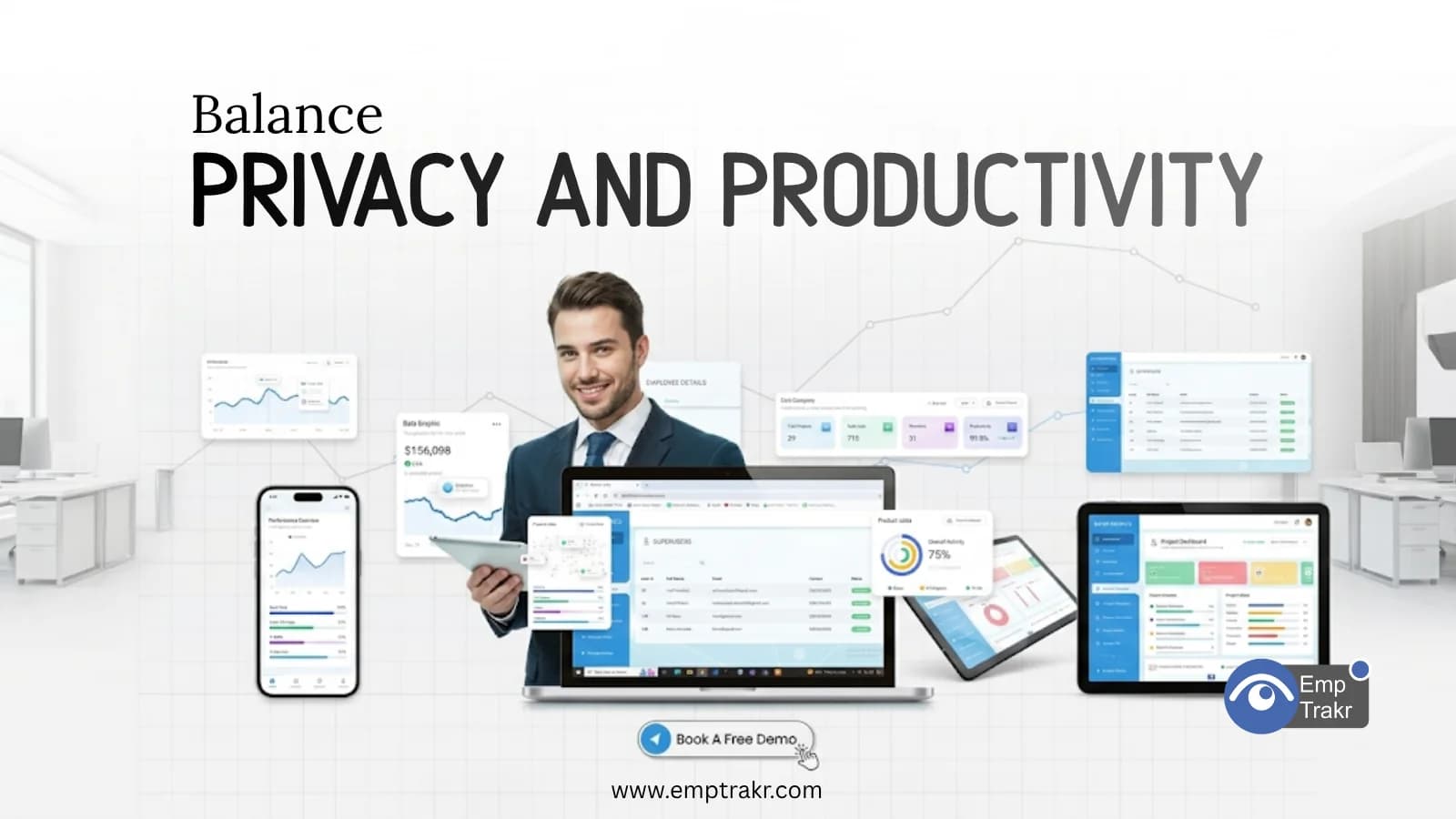
Employee monitoring has become a normal part of managing modern workplaces. Organizations use monitoring software to improve productivity, protect company assets, measure work hours, and better understand how teams operate.
However, monitoring employees isn't just about technology—it's also about trust. Poorly implemented monitoring can create fear, reduce morale, and damage workplace culture. Ethical monitoring, on the other hand, helps organizations gain valuable insights while respecting employee privacy and maintaining transparency.
This guide explains the fundamentals of employee monitoring ethics, outlines best practices for responsible monitoring, and shows how organizations can balance accountability with trust.
What Is Employee Monitoring Ethics?
Employee monitoring ethics refers to the principles that guide how employers collect, use, and protect employee activity data in a fair, transparent, and respectful manner.
Ethical monitoring focuses on:
Transparency
Respect for privacy
Fairness
Accountability
Data security
Legitimate business purposes
The objective is to support employees and improve business performance—not to create a culture of surveillance.
Why Ethics Matter in Employee Monitoring
Monitoring software Provides valuable information, but how that information is collected and used determines whether employees see it as helpful or intrusive.
An ethical monitoring strategy can help organizations:
| Benefit | Impact |
|---|---|
| Build employee trust | Employees understand why monitoring exists. |
| Improve productivity | Managers identify workflow improvements instead of policing activity. |
| Reduce compliance risks | Clear policies support privacy and legal obligations. |
| Strengthen workplace culture | Transparency reduces uncertainty and resistance. |
| Improve management decisions | Data supports coaching rather than assumptions. |
Employees are generally more accepting of monitoring when they understand its purpose and how their information will be used.
Ethical Staff Monitoring Principles
Following strong ethical staff monitoring principles helps organizations maintain employee confidence while collecting meaningful workplace data.
1. Be Transparent
Employees should always know:
What is being monitored
Why monitoring is necessary
What data is collected
Who can access the information
How long data is stored
Transparency eliminates uncertainty and helps build trust.
2. Monitor Only for Legitimate Business Purposes
Monitoring should have a clear objective, such as:
Improving productivity
Managing attendance
Protecting company systems
Supporting workload planning
Enhancing operational efficiency
Avoid collecting information that is unrelated to legitimate business needs.
3. Collect Only Necessary Data
Good monitoring focuses on relevant work-related information rather than excessive personal details.
Examples of appropriate workplace data include:
Working hours
Attendance records
Application usage
Website activity during work hours
Productivity reports
Limiting data collection reduces privacy concerns and improves compliance with privacy regulations.
4. Use Monitoring to Support Employees
Monitoring should help managers:
Identify training opportunities
Balance workloads
Remove workflow bottlenecks
Improve team performance
Recognize high-performing employees
It should not be used as a tool for constant surveillance or unnecessary micromanagement.
Employee Privacy Monitoring Balance
Finding the right employee privacy monitoring balance is one of the biggest challenges for HR teams.
The goal is to provide managers with useful business insights while respecting employees' reasonable expectations of privacy.
A balanced approach includes:
| Do | Avoid |
|---|---|
| Explain monitoring policies clearly | Secret monitoring practices |
| Monitor work-related activity | Monitoring unrelated personal activities |
| Limit access to collected data | Sharing monitoring data unnecessarily |
| Review data only when needed | Constantly observing every action |
| Protect employee information | Weak security controls |
Trust grows when employees know monitoring is proportionate and fair.
Building a Transparent Monitoring Culture
Creating a transparent monitoring culture workplace requires open communication rather than secrecy.
Before implementing monitoring software:
Explain the Purpose
Help employees understand why monitoring is being introduced.
Share the Policy
Provide written documentation outlining monitoring practices.
Answer Questions
Encourage employees to ask questions about how monitoring works.
Review Policies Regularly
Update policies as business needs or legal requirements evolve.
Organizations that communicate openly are more likely to gain employee acceptance.
Responsible Employee Tracking Approach 2026
A responsible Employee tracking Approach 2026 should combine technology with thoughtful management practices.
Best practices include:
Monitor only business-related activities.
Limit data collection to what is necessary.
Secure employee information.
Review access permissions regularly.
Use reports for coaching and process improvement.
Evaluate monitoring policies periodically.
Technology should support better management—not replace human judgment.
Common Ethical Mistakes to Avoid
Organizations can undermine trust by making avoidable mistakes.
Common examples include:
Monitoring employees without informing them.
Collecting more data than necessary.
Using monitoring data unfairly.
Giving unrestricted access to employee reports.
Focusing only on activity instead of outcomes.
Failing to explain monitoring policies.
Most employee concerns arise from poor communication rather than the monitoring technology itself.
How Ethical Monitoring Improves Workplace Culture
Ethical monitoring can strengthen workplace culture when implemented correctly.
| Ethical Practice | Positive Outcome |
|---|---|
| Clear communication | Greater employee trust |
| Fair monitoring policies | Higher acceptance |
| Data used for coaching | Better employee development |
| Limited data collection | Improved privacy protection |
| Consistent policy enforcement | Stronger organizational fairness |
Employees are more likely to support monitoring when they believe it benefits both the organization and the workforce.
Choosing Employee Monitoring Software Responsibly
When evaluating monitoring software, consider whether it supports responsible workplace practices.
Look for features such as:
Configurable monitoring settings
Role-based access controls
Productivity dashboards
Attendance management
Reporting tools
Data security capabilities
Audit logs
Privacy-focused administrative controls
Software should provide flexibility so organizations can implement monitoring policies that align with their values and legal obligations.
How EmpTrakr Supports Ethical Employee Monitoring
EmpTrakr Is designed to help organizations monitor employee productivity while supporting transparent workplace management.
Its features include:
Website and application usage reports
Workforce analytics
Configurable reporting
Organizations can configure these tools to match their internal policies and applicable privacy regulations. Technology alone does not determine whether monitoring is ethical clear communication, fair policies, and responsible management remain essential.
Final Thoughts
Strong employee monitoring ethics are built on transparency, fairness, and respect for employee privacy. Organizations that follow ethical staff monitoring principles, maintain an appropriate employee privacy monitoring balance, foster a transparent monitoring culture in the workplace, and adopt a responsible employee tracking approach in 2026 are more likely to improve productivity without damaging trust.
The goal of employee monitoring should never be constant surveillance. Instead, it should provide meaningful insights that help managers support employees, improve workflows, and make informed business decisions. When monitoring is implemented thoughtfully and communicated openly, it becomes a tool for collaboration and continuous improvement rather than a source of workplace tension.
Frequently Asked Questions
What is employee monitoring ethics?
Employee monitoring ethics refers to the fair, transparent, and responsible collection and use of employee activity data while respecting privacy and supporting legitimate business objectives.
How can employers monitor staff ethically?
Employers should explain their monitoring practices, collect only necessary work-related data, secure employee information, and use monitoring to improve processes rather than micromanage employees.
How do you balance employee privacy and monitoring?
A balanced approach involves monitoring only work-related activities, limiting data collection, protecting employee information, and being transparent about monitoring policies.
Why is transparency important in employee monitoring?
Transparency helps employees understand why monitoring is taking place, how their data will be used, and what safeguards are in place, which builds trust and reduces uncertainty.
What features support ethical employee monitoring?
Useful features include configurable monitoring settings, role-based access controls, productivity dashboards, attendance tracking, secure reporting, audit logs, and privacy-focused administrative controls.
Related EmpTrakr resources
Continue with product pages that match this topic — and explore more guides on the blog.
Supercharge your workforce today.
Join leading companies using EmpTrakr to boost productivity, streamline tracking, and optimize remote teams.