How to Monitor Remote Employee Productivity — Without Micromanaging| EmpTrakr
Monitoring remote productivity is about visibility, not surveillance. Learn how to track remote employee output fairly using activity data and software-based insights.
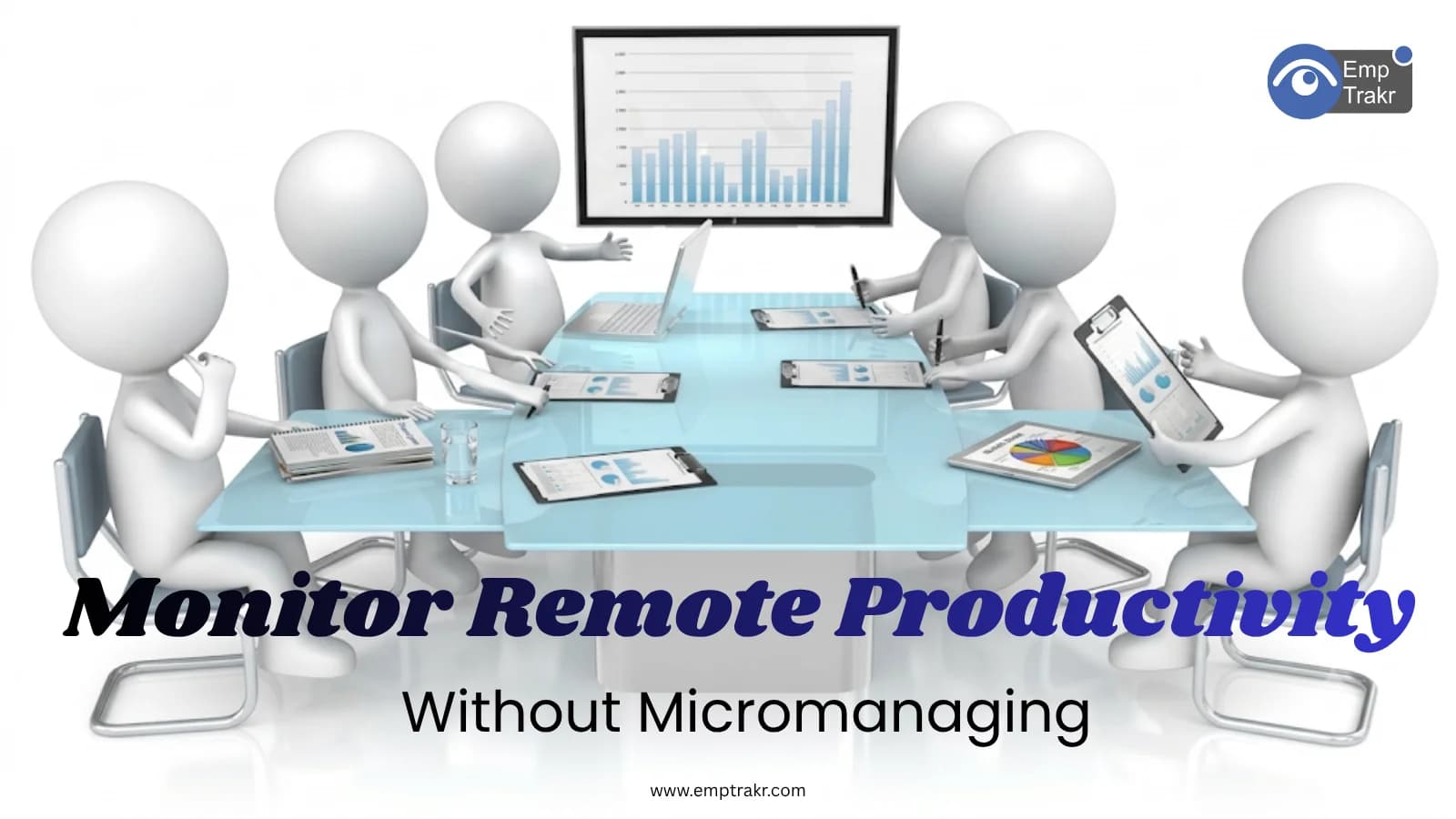
Remote work offers flexibility, access to global talent, and improved work-life balance. However, it also creates a challenge for managers: how do you Monitor remote employee productivity Without making employees feel constantly watched?
Many companies make the mistake of replacing office supervision with excessive monitoring. This often reduces trust, hurts morale, and can even decrease productivity.
The better approach is to focus on visibility, accountability, and outcomes rather than constant oversight.
In this guide, you'll learn how to Monitor remote employee productivity Ethically, what tools can help, and how to maintain team trust while improving performance.
Why Remote Productivity Monitoring Matters
When employees work from home, managers lose many of the visual cues available in a traditional office.
Without proper systems, organizations may struggle with:
-
Limited workforce visibility
-
Missed deadlines
-
Inconsistent workloads
-
Communication gaps
-
Difficulty measuring performance
-
Reduced accountability
The goal isn't surveillance. The goal is creating a system that helps managers understand team performance and identify areas for improvement.
The Biggest Mistake: Micromanagement
Many managers respond to remote work challenges by increasing oversight.
Examples include:
-
Constant check-ins
-
Frequent status requests
-
Monitoring every activity
-
Requiring employees to be online at all times
This approach often creates stress and reduces employee engagement.
When trying to Monitor remote employee productivity, focus on results rather than every minute of activity.
What Should Be Measured?
Effective productivity monitoring focuses on meaningful data.
Work Hours
Understanding attendance patterns helps with planning and accountability.
Task Completion
Completed work is often a stronger productivity indicator than online presence.
Project Progress
Tracking milestones helps managers identify potential delays.
Workload Distribution
Managers can identify overloaded or underutilized team members.
Productivity Trends
Long-term patterns provide more value than daily fluctuations.
Remote Employee Productivity Monitoring Tools
Modern Remote employee productivity monitoring tools Provide visibility without requiring constant supervision.
These tools typically offer:
-
Attendance tracking
-
Productivity analytics
-
Application usage reports
-
Work-hour monitoring
-
Workforce dashboards
-
Automated reporting
The best Remote employee productivity monitoring tools Help managers understand performance while allowing employees to work independently.
Work From Home Productivity Tracking Software Features
When evaluating Work from home productivity tracking software, look for features that improve visibility without creating unnecessary pressure.
Essential Features
| Feature | Benefit |
|---|---|
| Attendance Tracking | Verify work schedules |
| Productivity Analytics | Identify work patterns |
| Automated Reports | Reduce manual oversight |
| Activity Monitoring | Improve visibility |
| Team Dashboards | Simplify management |
| Workforce Insights | Support better decisions |
The right Work from home productivity tracking software Should make management easier, not more intrusive.
Monitoring WFH Employees Ethically
One of the most important considerations is Monitoring WFH employees ethically.
Employees should never feel that monitoring exists solely to catch mistakes.
Best Practices
Be Transparent
Explain what information is collected and why.
Focus on Business Goals
Track productivity to improve workflows, not to control employees.
Respect Privacy
Avoid collecting unnecessary personal information.
Measure Outcomes
Prioritize results and performance over constant activity monitoring.
Communicate Clearly
Employees should understand how productivity data is used.
Organizations that succeed at Monitoring WFH employees ethically Typically experience better employee engagement and trust.
Remote Team Performance Visibility Tool Benefits
A modern Remote team performance visibility tool Helps managers gain insights without creating additional work.
Improved Accountability
Employees have clear expectations and measurable goals.
Better Resource Planning
Managers can allocate workloads more effectively.
Early Problem Detection
Performance issues become visible before they affect results.
Improved Collaboration
Teams operate with greater transparency.
Data-Driven Decisions
Managers rely on workforce insights rather than assumptions.
A good Remote team performance visibility tool Provides information that supports coaching, planning, and performance improvement.
Manual Monitoring vs Automated Monitoring
Many businesses still rely on manual check-ins and status updates.
Automation provides several advantages.
| Feature | Manual Monitoring | Automated Monitoring |
|---|---|---|
| Data Collection | Manual | Automatic |
| Reporting | Time-Consuming | Instant |
| Accuracy | Moderate | High |
| Visibility | Limited | Comprehensive |
| Administrative Work | High | Low |
| Scalability | Limited | Excellent |
This is why organizations increasingly use software to Monitor remote employee productivity.
Signs Your Remote Team Needs Better Visibility
You may need productivity monitoring tools if:
-
Managers frequently request status updates
-
Attendance records are inconsistent
-
Project delays occur regularly
-
Team workloads are unclear
-
Productivity reporting is manual
-
Remote workforce size is increasing
These issues often indicate a lack of workforce visibility rather than a productivity problem.
How EmpTrakr Supports Remote Productivity Monitoring
EmpTrakr Helps businesses gain visibility into workforce performance through automated tracking and reporting tools.
Key Features
-
Employee productivity analytics
-
Attendance monitoring
-
Work-hour tracking
-
Website monitoring
-
Application usage reports
-
Workforce dashboards
-
Automated reporting
-
Team performance insights
Instead of relying on constant check-ins, managers can access real-time productivity data from a centralized platform.
Best Practices for Managing Remote Productivity
Set Clear Expectations
Define goals, responsibilities, and performance metrics.
Trust Your Team
Monitoring should support employees, not replace trust.
Use Automation
Reduce manual reporting requirements.
Review Trends, Not Individual Moments
Long-term patterns provide more meaningful insights.
Encourage Open Communication
Productivity tools work best when combined with strong team communication.
Final Thoughts
Learning how to Monitor remote employee productivity Effectively is about balancing visibility with trust.
The most successful organizations focus on outcomes, transparency, and workforce insights rather than excessive oversight.
Whether you're exploring Remote employee productivity monitoring tools, evaluating Work from home productivity tracking software, learning about Monitoring WFH employees ethically, or implementing a Remote team performance visibility tool, the goal should always be to support productivity while maintaining employee trust.
For businesses managing remote or hybrid teams, platforms like EmpTrakr provide the visibility needed to improve performance without micromanaging employees.
Frequently Asked Questions
How can I monitor remote employee productivity without micromanaging?
Focus on outcomes, productivity trends, and automated reporting instead of constant supervision.
What are remote employee productivity monitoring tools?
They are software solutions that help businesses track attendance, work hours, and productivity metrics for remote employees.
What should work from home productivity tracking software include?
It should offer attendance monitoring, productivity analytics, reporting, and workforce visibility tools.
What does monitoring WFH employees ethically mean?
It means being transparent, respecting privacy, and using productivity data to support employees rather than control them.
What is a remote team performance visibility tool?
It is software that provides managers with insights into team productivity, workloads, and performance trends without requiring constant oversight.
Related EmpTrakr resources
Continue with product pages that match this topic — and explore more guides on the blog.
Supercharge your workforce today.
Join leading companies using EmpTrakr to boost productivity, streamline tracking, and optimize remote teams.