How Automatic Time Tracking Works — And Why Manual Timesheets Are Dead| EmpTrakr
Automatic time tracking eliminates human error and saves hours of admin weekly. We explain how it works and why manual timesheets are being replaced in 2026.

For decades, businesses relied on manual timesheets to track employee work hours. Employees filled out spreadsheets, recorded start and end times, and submitted weekly reports for approval.
The process worked—but it wasn't efficient.
Manual timesheets often create errors, consume management time, and provide limited insight into Workforce productivity. That's why modern companies are adopting Automatic time tracking employees Solutions to replace outdated attendance systems.
In this guide, we'll explain how automatic time tracking works, compare it with traditional timesheets, and show why more organizations are making the switch in 2026.
What Is Automatic Time Tracking?
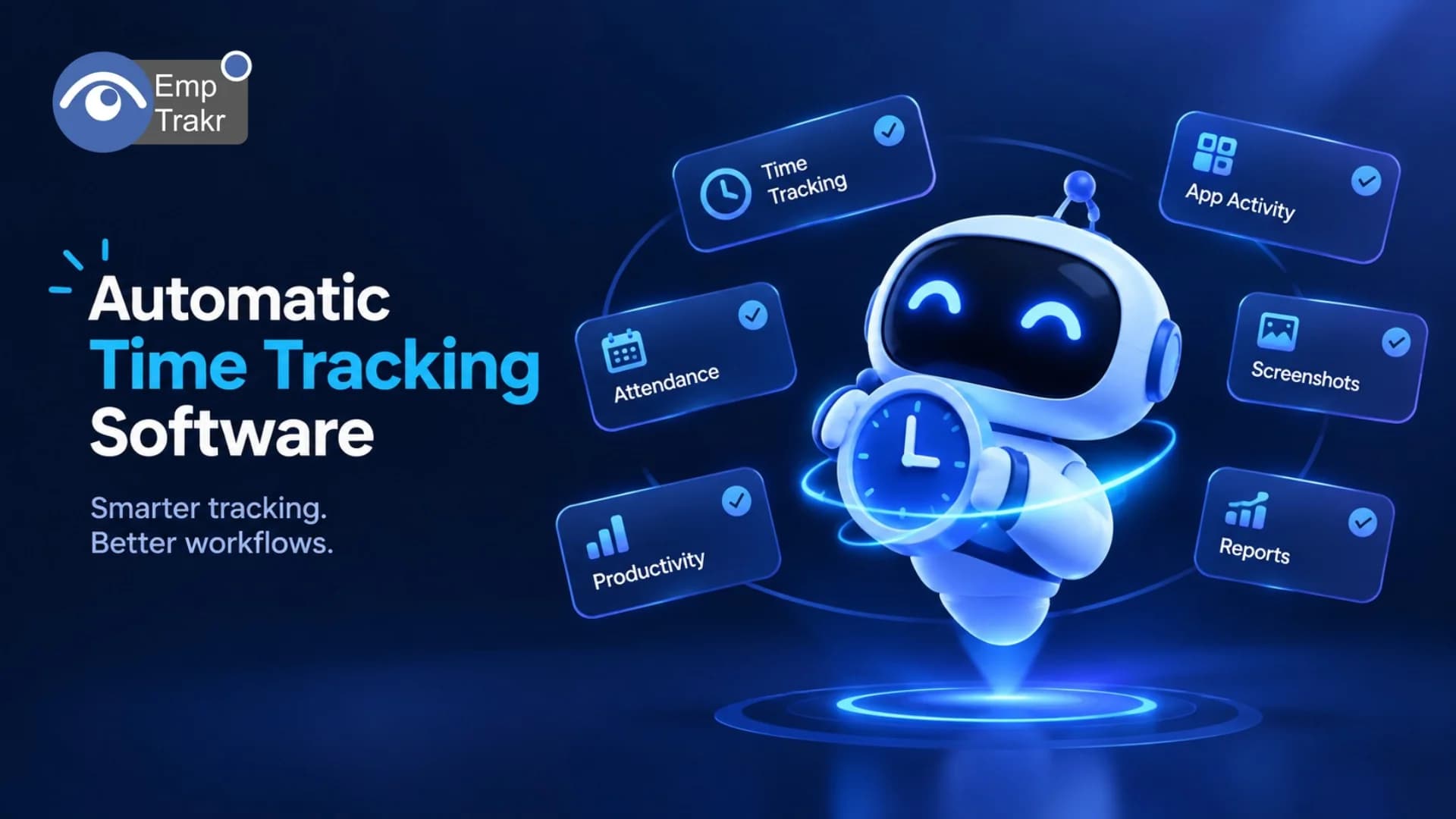
Automatic time tracking employees Software records work activity and attendance without requiring manual data entry.
Instead of asking employees to log hours manually, the software automatically tracks:
-
Work hours
-
Attendance
-
Active time
-
Application usage
-
Website activity
-
Productivity trends
-
Break periods
The result is a more accurate and reliable view of employee work patterns.
Why Manual Timesheets No Longer Work
Manual timesheets were created for a different era.
Today's remote, hybrid, and distributed teams require real-time visibility and accurate reporting.
Common Problems with Manual Timesheets
| Challenge | Impact |
|---|---|
| Human Error | Incorrect work-hour records |
| Missed Entries | Payroll disputes |
| Time Theft | Reduced accountability |
| Delayed Reporting | Slower decision-making |
| Administrative Burden | Increased management workload |
These issues are the primary reason businesses are replacing spreadsheets with Automatic time tracking employees Software.
How Automatic Time Tracking Works
Modern time tracking systems run in the background and collect workforce data automatically.
Step 1: Employee Activity Monitoring
The software records work activity throughout the day.
Step 2: Work Hour Calculation
Attendance and active work time are automatically calculated.
Step 3: Data Collection
Work patterns are stored securely for reporting and analysis.
Step 4: Reporting
Managers receive detailed attendance and productivity reports.
This automated process eliminates the need for manual timesheet submissions.
Automatic vs Manual Time Tracking Comparison
The differences become clear when comparing both approaches side by side.
| Feature | Automatic Tracking | Manual Timesheets |
|---|---|---|
| Time Entry | Automatic | Manual |
| Accuracy | High | Moderate |
| Reporting | Instant | Delayed |
| Payroll Preparation | Easier | More Time Consuming |
| Employee Effort | Minimal | High |
| Error Risk | Low | High |
This Automatic vs manual time tracking comparison Shows why businesses increasingly prefer automated systems.
Idle Detection Employee Time Tracking Explained
One of the most valuable features in modern monitoring software is Idle detection employee time tracking.
Idle detection helps identify periods when devices are inactive.
Benefits of Idle Detection
-
More accurate work-hour records
-
Better productivity insights
-
Reduced reporting errors
-
Improved workforce visibility
For remote and hybrid teams, Idle detection employee time tracking Provides a clearer understanding of active working time versus inactive periods.
What Is Background Time Tracking Software?
Traditional systems depend on employees remembering to clock in and clock out.
Background time tracking software Eliminates this requirement.
The software operates automatically while employees work, recording attendance and activity without constant manual interaction.
Advantages of Background Tracking
-
No manual entries
-
Reduced human error
-
Consistent attendance records
-
Better reporting accuracy
-
Improved employee experience
Many organizations now prefer Background time tracking software Because it reduces administrative effort for both employees and managers.
Hands-Free Employee Hours Monitoring Benefits
The move toward Hands-free employee hours monitoring Is driven by efficiency and accuracy.
Improved Payroll Accuracy
Automatically recorded hours reduce disputes and mistakes.
Better Productivity Insights
Managers gain visibility into workforce performance.
Reduced Administrative Work
No need to review or approve Countless timesheets.
Greater Accountability
Employees maintain accurate work-hour records automatically.
Real-Time Workforce Visibility
Managers can identify attendance issues immediately.
These benefits explain why manual timesheets continue to decline in popularity.
Why Businesses Are Replacing Timesheets in 2026
Organizations increasingly recognize that spreadsheets are no longer suitable for workforce management.
Growing Workforce Complexity
Remote and hybrid teams require automated solutions.
Demand for Real-Time Data
Managers need immediate access to attendance information.
Increased Payroll Accuracy Requirements
Automation reduces costly errors.
Productivity Monitoring Needs
Businesses want more than simple clock-in records.
As a result, Automatic time tracking employees Systems are becoming the standard for modern workforce management.
How EmpTrakr Automates Employee Time Tracking
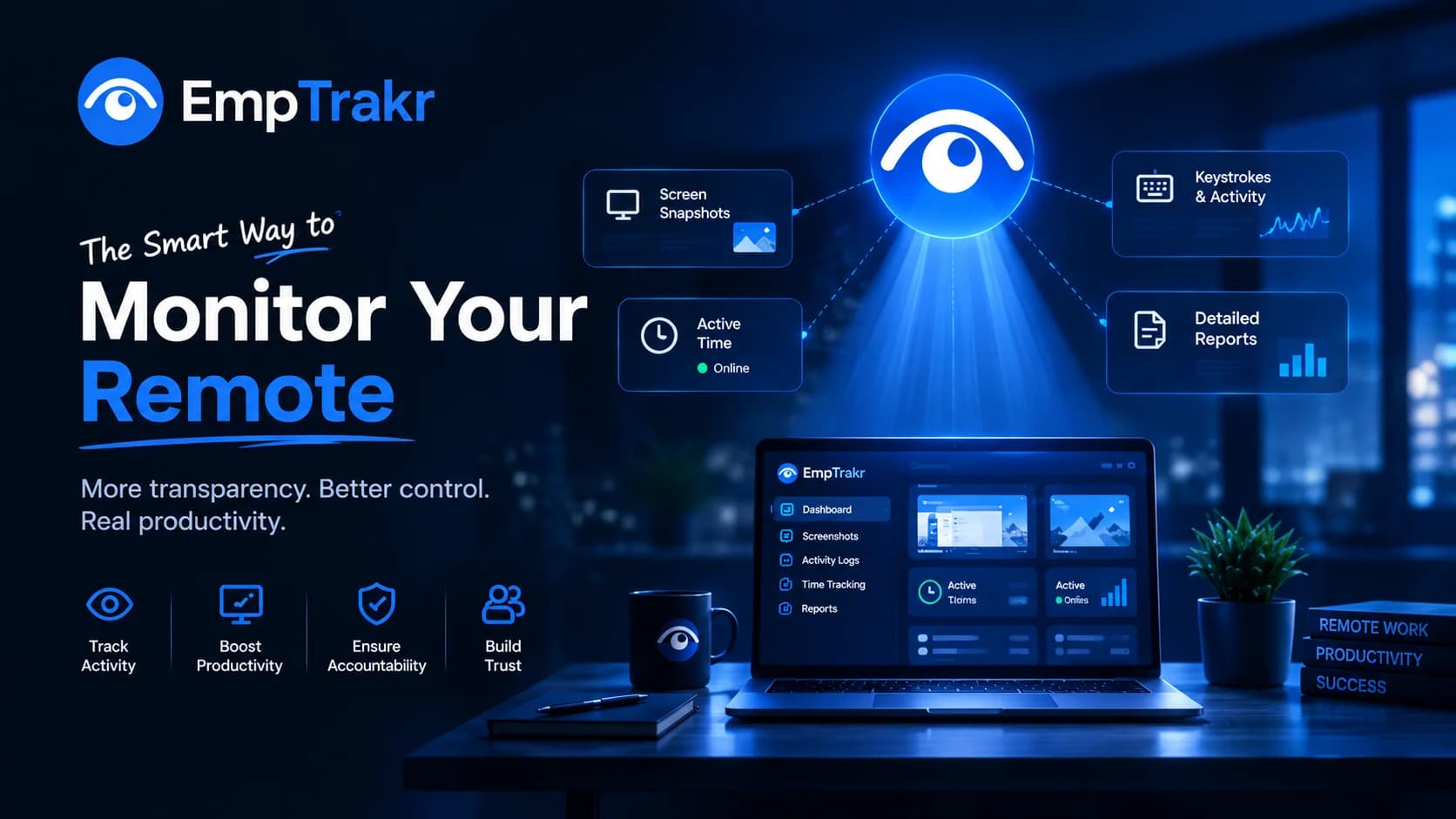
EmpTrakr Helps businesses replace manual timesheets with automated workforce tracking tools.
Key Features
-
Automatic attendance tracking
-
Employee activity monitoring
-
Productivity analytics
-
Website monitoring
-
Application tracking
-
Workforce dashboards
-
Automated reporting
Instead of collecting spreadsheets from employees every week, managers gain access to real-time workforce insights through a centralized dashboard.
Best Practices for Successful Time Tracking
Be Transparent
Clearly explain tracking policies to employees.
Focus on Productivity
Use data to improve workflows, not micromanage staff.
Automate Reporting
Reduce manual administration wherever possible.
Review Analytics Regularly
Use workforce insights to improve efficiency.
Choose Scalable Software
Select a solution that grows with your organization.
Final Thoughts
The era of manual timesheets is rapidly coming to an end.
Modern businesses need accurate attendance records, real-time visibility, and workforce analytics that spreadsheets simply cannot provide.
By adopting Automatic time tracking employees Software, organizations can improve payroll accuracy, reduce administrative work, and gain valuable productivity insights.
Whether you're evaluating an Automatic vs manual time tracking comparison, researching Idle detection employee time tracking, exploring Background time tracking software, or looking for Hands-free employee hours monitoring, automation offers a faster, more reliable approach to workforce management.
For businesses seeking a modern solution, EmpTrakr provides the tools needed to automate attendance tracking and improve workforce visibility.
Frequently Asked Questions
-
What is automatic time tracking employees software?
It is software that automatically records employee work hours, attendance, and activity without requiring manual timesheets.
-
How does automatic time tracking differ from manual timesheets?
Automatic tracking records data in real time, while manual timesheets rely on employee input and are more prone to errors.
-
What is idle detection employee time tracking?
Idle detection identifies periods of inactivity and helps create more accurate work-hour records.
-
What is background time tracking software?
It is software that tracks attendance and work activity automatically while running in the background.
-
Why is hands-free employee hours monitoring becoming popular?
It improves accuracy, reduces administrative workload, and provides better workforce visibility than manual tracking methods.
Related EmpTrakr resources
Continue with product pages that match this topic — and explore more guides on the blog.
Supercharge your workforce today.
Join leading companies using EmpTrakr to boost productivity, streamline tracking, and optimize remote teams.